Choosing the right battery is not a small buying decision. It affects runtime, charging time, maintenance, safety, and total operating cost. A weak battery can slow trucks, shorten shift coverage, and cause avoidable downtime. A well-matched battery supports steady work and fewer interruptions. That is why every warehouse manager needs a clear forklift battery guide.
Industrial batteries are not one-size-fits-all. The best forklift battery for warehouse use depends on your truck type, shift pattern, load demand, charging setup, and budget. Some operations need a battery that can handle long daily use. Others need quick charging, lower maintenance, or easier battery replacement options.
The right choice starts with understanding how your operation really works, not just what the truck label says.
Start With Your Daily Operation
Before you compare products, look at your workday. Ask how many hours each forklift runs, how heavy the loads are, how often the truck stops and starts, and whether you run one shift or several. A forklift used lightly for a few hours has very different needs from a truck moving pallets all day in a busy warehouse.
You should also look at your environment. Cold storage, dusty sites, and high-traffic warehouses can all affect battery performance and service life. The battery must fit the actual operating conditions, not an idealized version.
Know The Main Battery Types
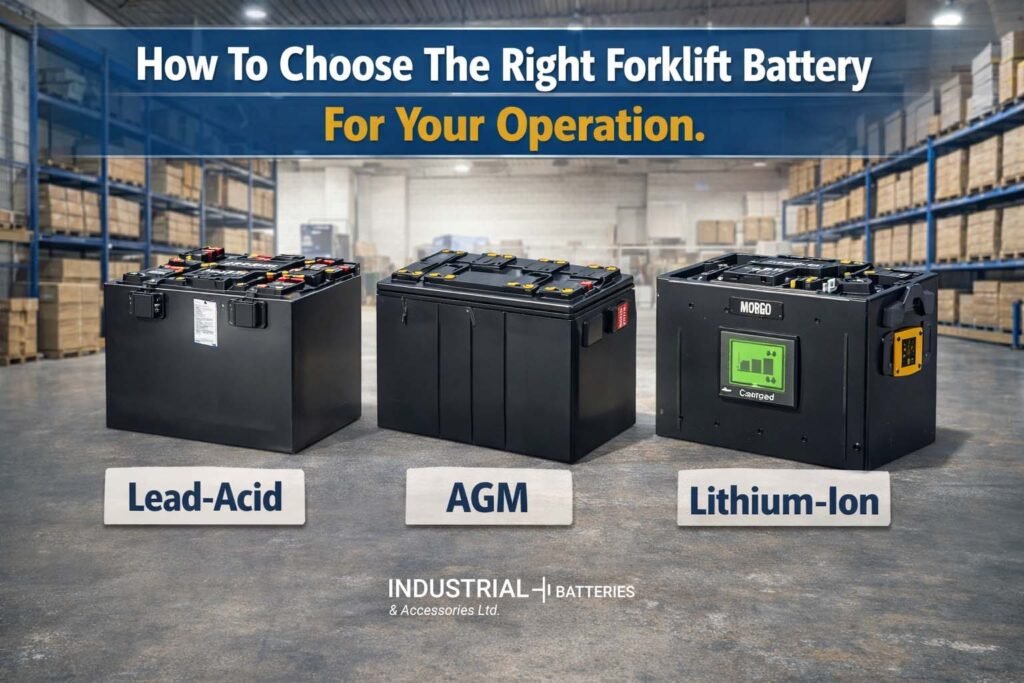
Most forklift battery choices come down to lead-acid and lithium-ion.
Lead-acid batteries are still widely used in forklift batteries for industrial operations because they are proven and often cost less upfront. They do require regular watering, charging discipline, cleaning, and checks. CCOHS says flooded lead-acid batteries need watering with distilled water after they are fully charged and cooled down.
Lithium-ion batteries usually need less routine maintenance and can support faster charging in many applications. They are often chosen by operations that want less downtime from battery care and more flexible charging. OSHA notes that lithium-ion systems also bring different safety risks, including overheating and thermal runaway if damaged or improperly charged.
There is no single winner for every site. The better option depends on how your forklifts are used, what your team can maintain, and how much you want to spend now versus later.
Match The Battery To Shift Length
One of the biggest mistakes is buying based only on price. A cheaper battery that cannot support the full shift may cost more in lost productivity. If your warehouse runs one shift, a standard charging cycle may work well. If you run two or three shifts, you may need higher-capacity batteries, fast charging, opportunity charging, or extra units for battery swaps.
Think in simple terms:
- Short, light-duty use may work with a basic lead-acid setup.
- Heavy-duty use requires more capacity and stricter maintenance.
- Multi-shift work needs a clear charging and replacement plan.
- High-throughput sites may benefit from the best lithium forklift batteries if downtime is expensive.
Check Voltage, Capacity, And Truck Fit
A battery must match the truck’s required voltage and physical compartment size. It also needs sufficient capacity to handle the actual workload. If the voltage is wrong, the truck will not operate correctly. If the battery is too large or too small for the compartment, installation and safety become problems. If the capacity is too low, the runtime will disappoint, even with a new battery.
This is where a real forklift battery guide helps.
Look at the manufacturer’s battery specs, but also compare them with real use patterns. A truck working on ramps, carrying heavy goods, or travelling long warehouse routes will use more power than a truck doing light, short moves.
Think About Charging Setup
Battery choice should always match your charging area. OSHA requires battery charging to occur in designated areas protected from damage, with proper ventilation and controls for sparks and open flames.
CCOHS also says battery-charging areas should be well ventilated and include emergency washing facilities where electrolytes are handled.
This matters when comparing battery types. Lead-acid systems usually need more structured charging and watering routines. Lithium systems may reduce some daily tasks, but they still need compatible chargers, trained staff, and proper safety planning. Never choose a battery before checking whether your current chargers, electrical service, and charging space can support it.
Compare Maintenance Needs
Maintenance is a major cost. Lead-acid batteries often need:
- Watering on schedule
- Cleaning to control corrosion
- Equalization charging is recommended
- Regular cable and connector checks
OSHA says batteries should be free of corrosion buildup and that vent holes should remain open.
Lithium batteries usually reduce daily maintenance requirements, but they still require inspection, proper charging, and safe handling. Less maintenance does mean no responsibility. The right choice depends on whether your team has the time, training, and discipline to care for the battery properly.
Use A Simple Forklift Battery Price Guide
Price should be viewed in layers. The first layer is the purchase cost. The second is the charger cost. The third is maintenance, labour, watering supplies, downtime, and replacement frequency. A battery with a lower upfront price may cost more over time if it needs extra labour or leaves trucks unavailable.
A smart forklift battery price guide should include:
- Battery purchase price
- Charger cost or charger upgrades
- Installation cost
- Maintenance labor
- Watering and cleaning needs
- Expected service life
- Downtime risk
- Future forklift battery replacement options
This is why many buyers do not look only at the sticker price. They compare the total cost over the battery’s working life.
Plan For Replacement Before You Need It
Many operations wait too long to plan battery replacement. That creates rushed buying, poor matching, and more downtime. A better approach is to review runtime, charge patterns, heat, corrosion, and repair history before the battery fails.
Good forklift battery replacement options may include keeping the same type, switching to a different chemistry, rebuilding certain battery packs, or adjusting the fleet charging plan. Industrial Batteries says it offers battery pack rebuild and replacement support across multiple forklift battery voltages for industrial use.
Choose The Right Supplier
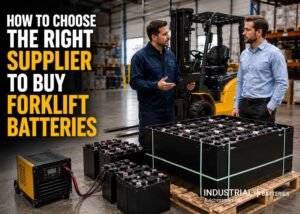
The product matters, but support matters too. A strong industrial forklift battery supplier should help with fit, voltage, capacity, charging compatibility, service support, and realistic recommendations. Industrial Batteries says it provides forklift batteries, accessories, repair, maintenance, diagnostics, and service support in Mississauga and across Ontario.
When people search for terms like ‘buy forklift battery online,’ they should still verify key details before ordering. Always confirm voltage, dimensions, connector type, charging needs, warranty terms, and service access. Online buying is convenient, but the wrong battery is expensive.
Final Thoughts
The right battery is the one that fits your real operation. Start with shift length, load demand, charging setup, and maintenance capacity. Compare lead-acid and lithium carefully. Use a full forklift battery guide, not just a product page. Look beyond upfront costs and consider lifetime value, safety, and uptime. When you review forklift battery replacement options and supplier support early, buying becomes easier and smarter. For operations that need help with this process, Industrial Batteries Accessories Ltd is one supplier working in this space every day.